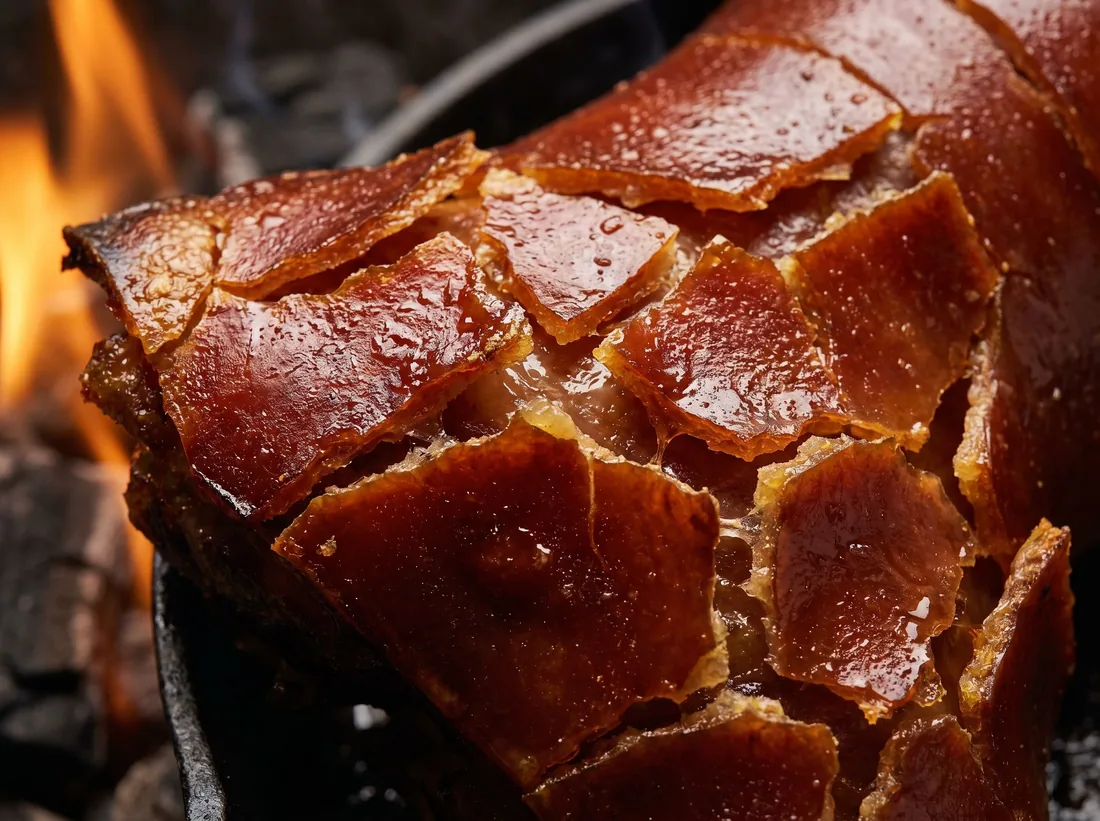
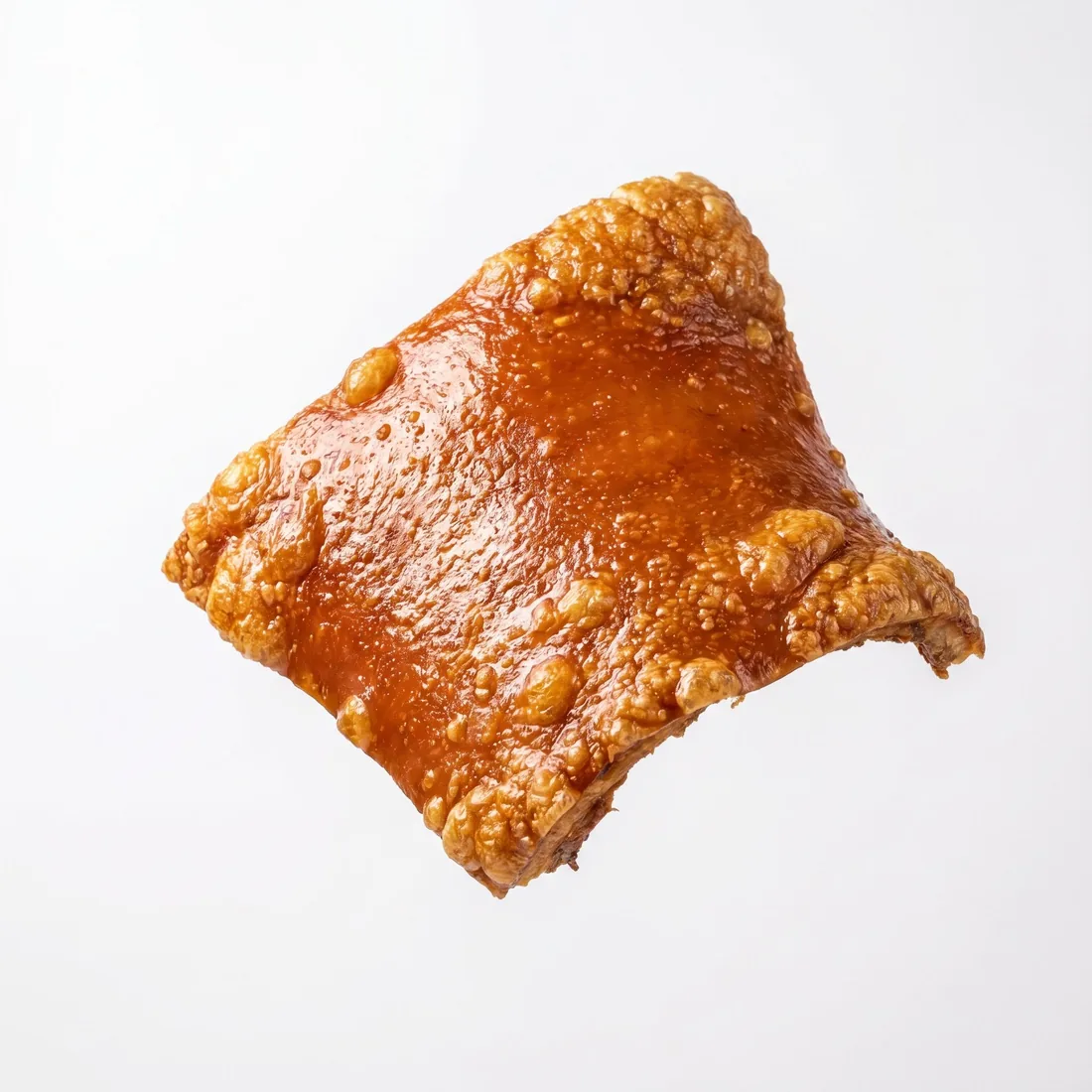
The history of Cebu lechon
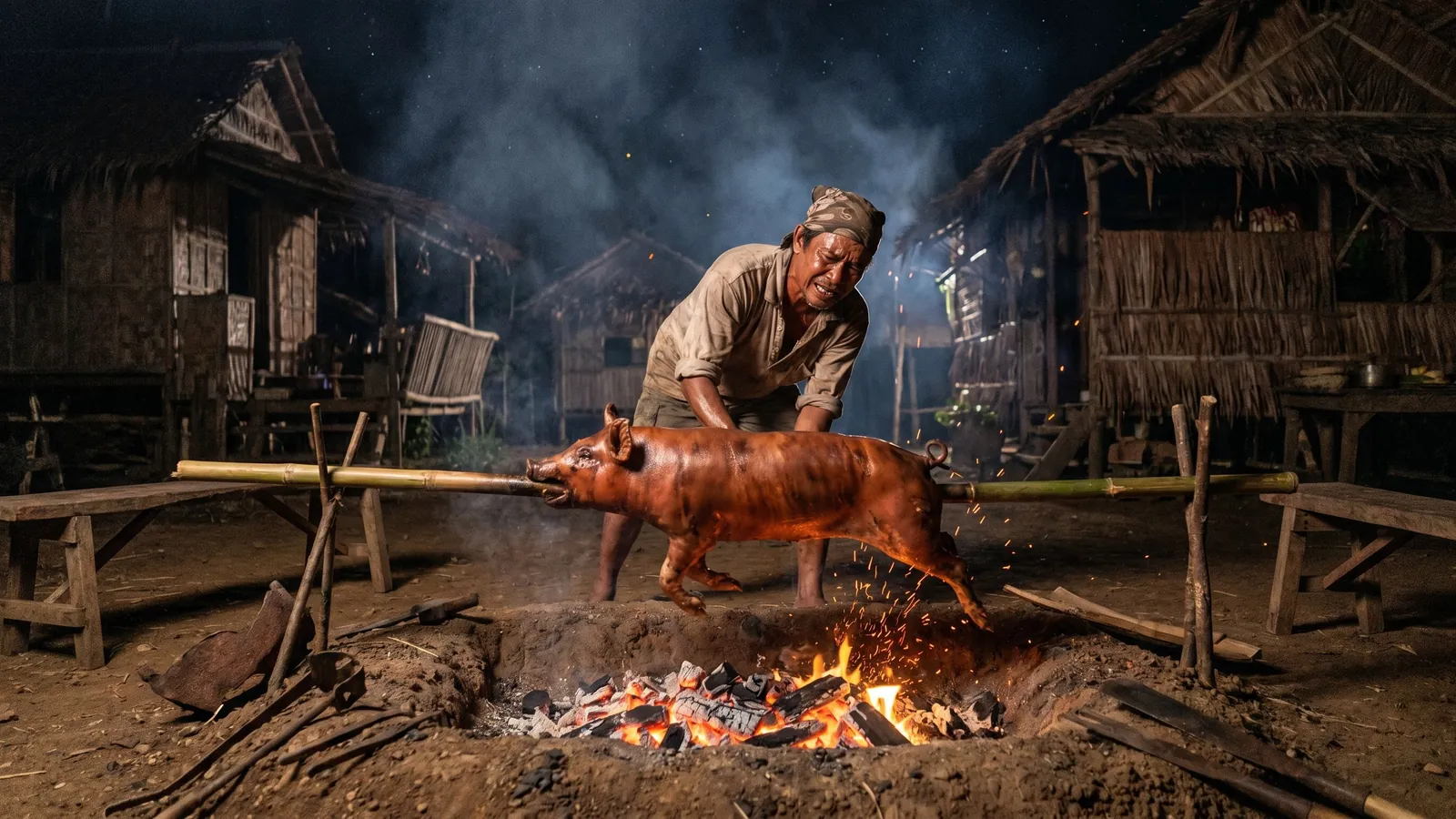
Long before Spanish ships reached these islands, Filipinos were already roasting whole pigs over open fire. The feast is older than the word for it.
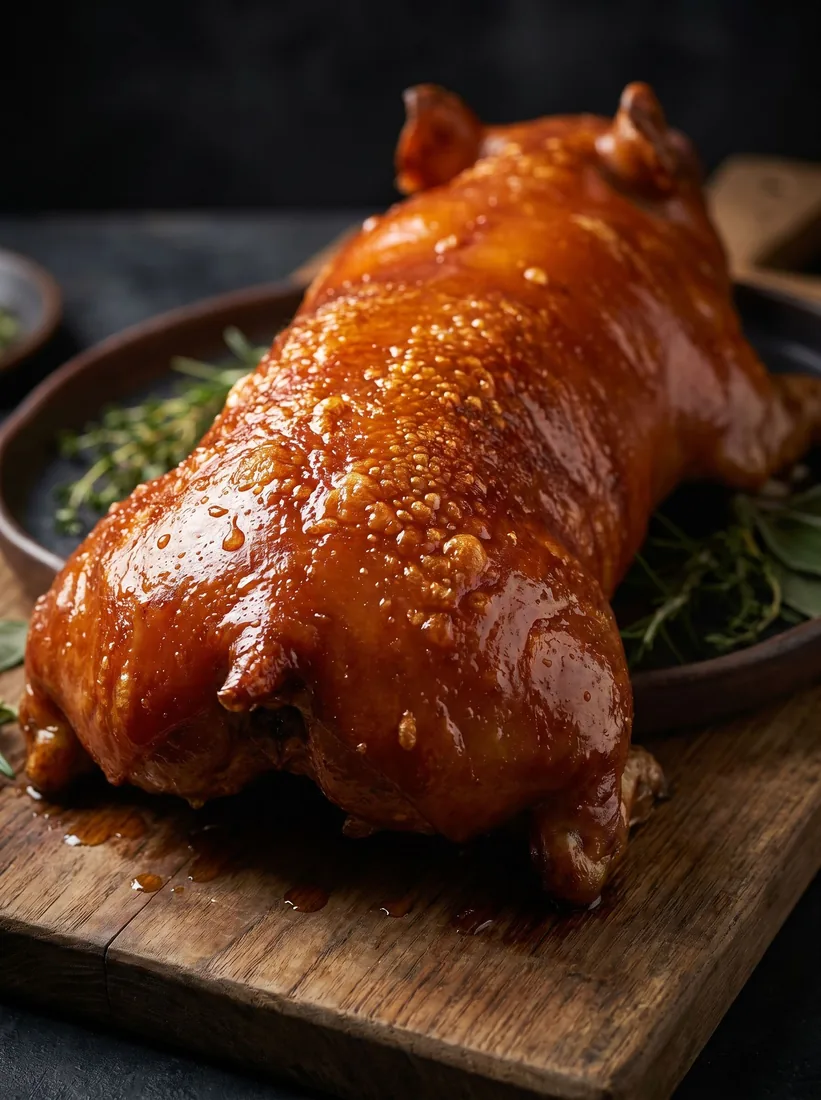
The feast is older than the word
Here is the part most menus skip: roasting a whole pig over fire was not something the Spanish taught the islands. Communities across the pre-colonial Philippines were already cooking whole hogs over coals for feasts, rituals and homecomings long before any galleon appeared on the horizon. The technique — a cleaned pig, an open fire, slow heat and patience — was already here.
What the Spanish brought was the name. Lechón is their word for a suckling pig, from leche, “milk.” It stuck, and three centuries later it is what everyone calls the dish. So the honest version of the story is simple:
The Spanish lent the word. The islands already had the fire.The Lechon Cebu position on origins
Calling lechon a colonial import gets the history backwards. The roast is indigenous; the label is borrowed. Cebu didn’t learn to cook a pig — it perfected one it had been cooking all along.
Source: Food historian Felice Prudente Sta. Maria notes that the chronicler Antonio Pigafetta recorded Filipinos eating roast pork in 1521 — within Lapu-Lapu’s lifetime, well before Spanish rule took hold — and that roasting pigs here predated the Spanish, who supplied only the name. The Manila Tribune →
How Cebu made it its own
Where much of Luzon roasts a plainer pig and leans on a liver-based dipping sauce, Cebuanos took a different road: pack the cavity with lemongrass, garlic, onion and scallion, then roast low over charcoal until the meat is seasoned all the way through. The result is a pig so flavorful it needs no sauce at all — the defining trait of the Cebu style.
The town of Carcar became the acknowledged capital, its market stalls turning out crackling pigs daily, while nearby Talisay carries its own roasting heritage. For Cebuanos, lechon was never restaurant food. It is the centerpiece of the fiesta, the baptism, the homecoming — the thing the whole street smells before they see it.
The verdict that went global
For most of its life Cebu lechon was a regional secret. That changed when the late chef and traveler Anthony Bourdain ate it on camera and delivered a line that food lovers still quote:
“The best pig I’ve ever had.”— Anthony Bourdain on Cebu lechon
That single verdict put the herb-stuffed, no-sauce style on food maps worldwide and turned a fiesta dish into a national point of pride — a roast that is, by heritage, older than the word for it.
More from the field guide
Cebu lechon notes — and deals as they drop
Subscribe to the Connect Philippines newsletter for Cebu lechon notes, plus exclusive promos, discounts, and partner offers. Free to join.
This site and newsletter may contain affiliate links, sponsored content, or partner offers. Any such content — aside from programmatic Google AdSense ads — is clearly labeled, and we may earn a commission at no extra cost to you. Full disclosure.
Ask AI about Cebu lechon
Get an instant summary of what Cebu lechon is, where it comes from, and what makes it the best.